This clinical case involves an adult patient with permanent dentition who presented with a complex malocclusion with several distinctive features: a leftward deviation of the upper midline, a disproportionate lower facial third, and an altered profile. Intraoral examination revealed implants in positions 25 and 26, agenesis of tooth 36, crowding in the lower arch, and torque differences between incisors. Occlusal examination showed a Class II molar relationship on the right side and a Class I canine relationship, while on the left side, a clear molar relationship was not defined, and a slight Class II canine relationship was present. The patient also exhibited a positive overbite and overjet.
Treatment plan
Treatment began in May 2024 and ended in April 2025, with a total duration of only 11 months. During this period, a multidisciplinary approach was implemented, combining fixed orthodontics with braces, orthognathic surgery, and aesthetic rehabilitation with gingivectomy and veneers. The orthodontic phase included the progressive use of archwires made of different alloys and allowed for the preparation of the occlusion for the subsequent surgery and restorative procedures.
Thanks to the patient's excellent cooperation and meticulous planning, it was possible to efficiently coordinate all phases of the treatment, achieving in less than a year what usually takes much longer. The final result was a functional occlusion, a significant improvement in facial and dental aesthetics, and the stability necessary to maintain the results long-term.
Case process and evaluation
Start 11/03/2024
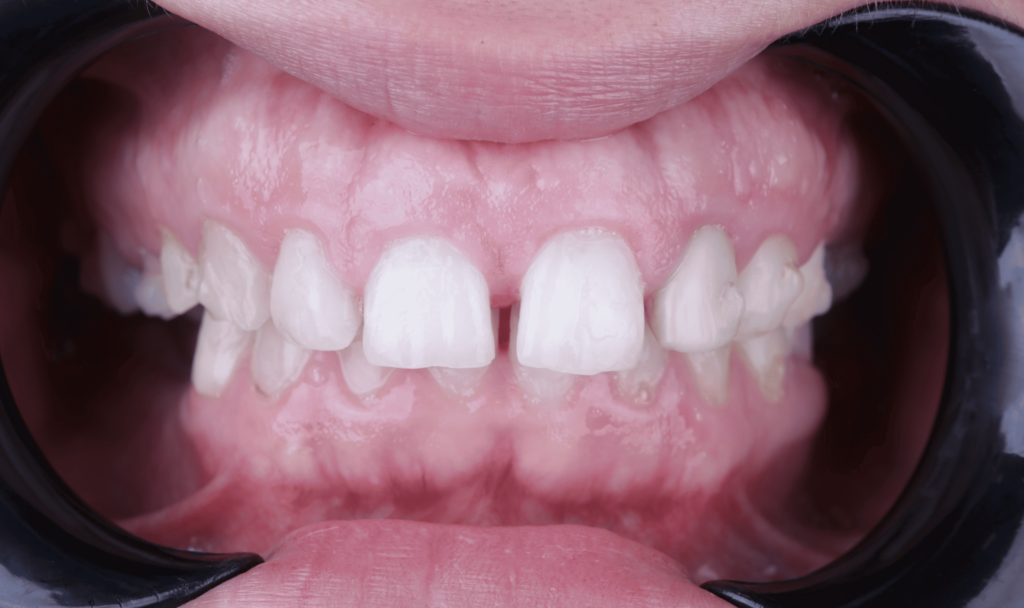
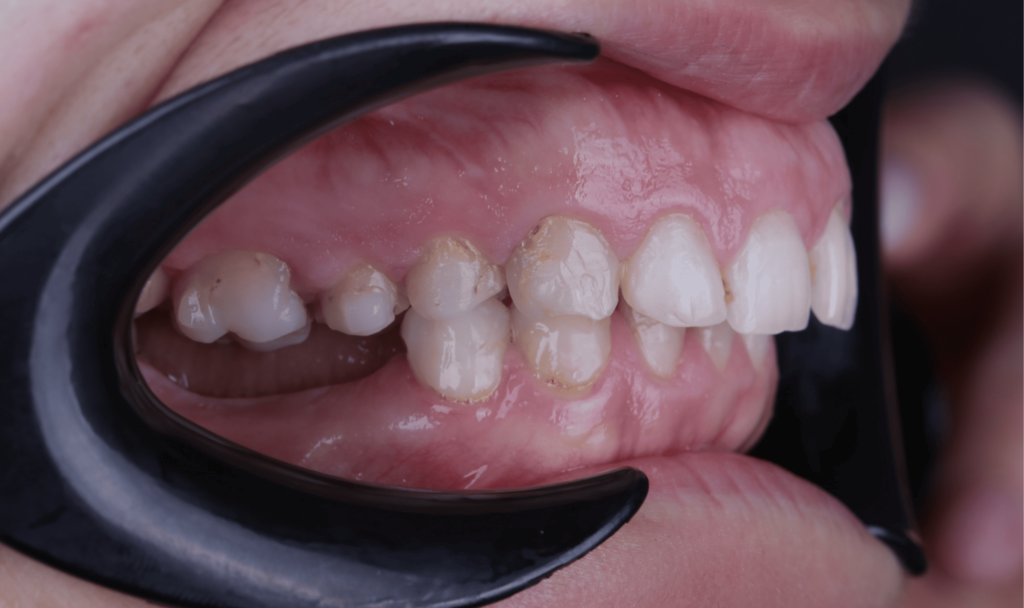
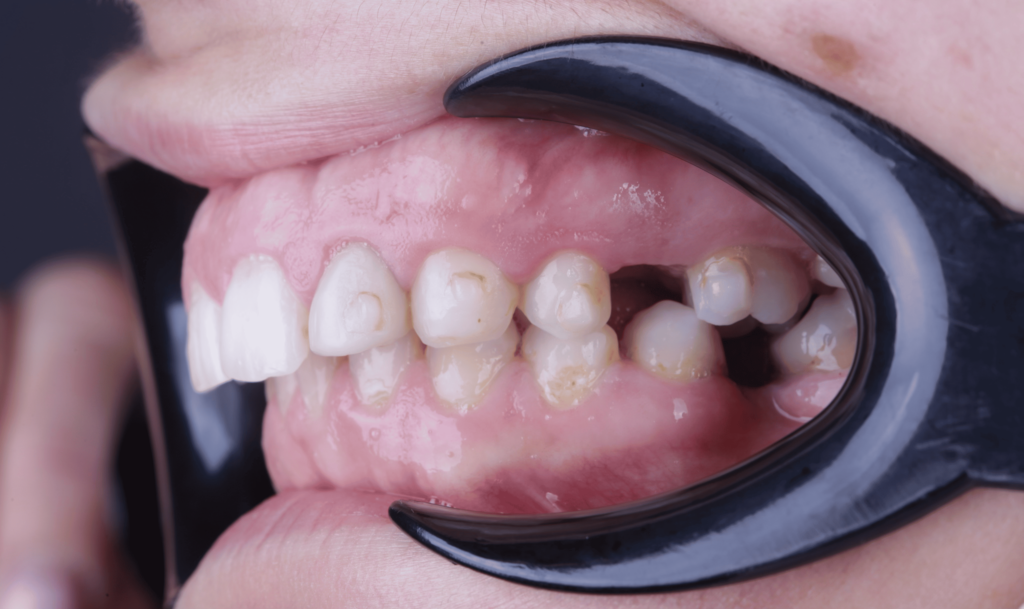
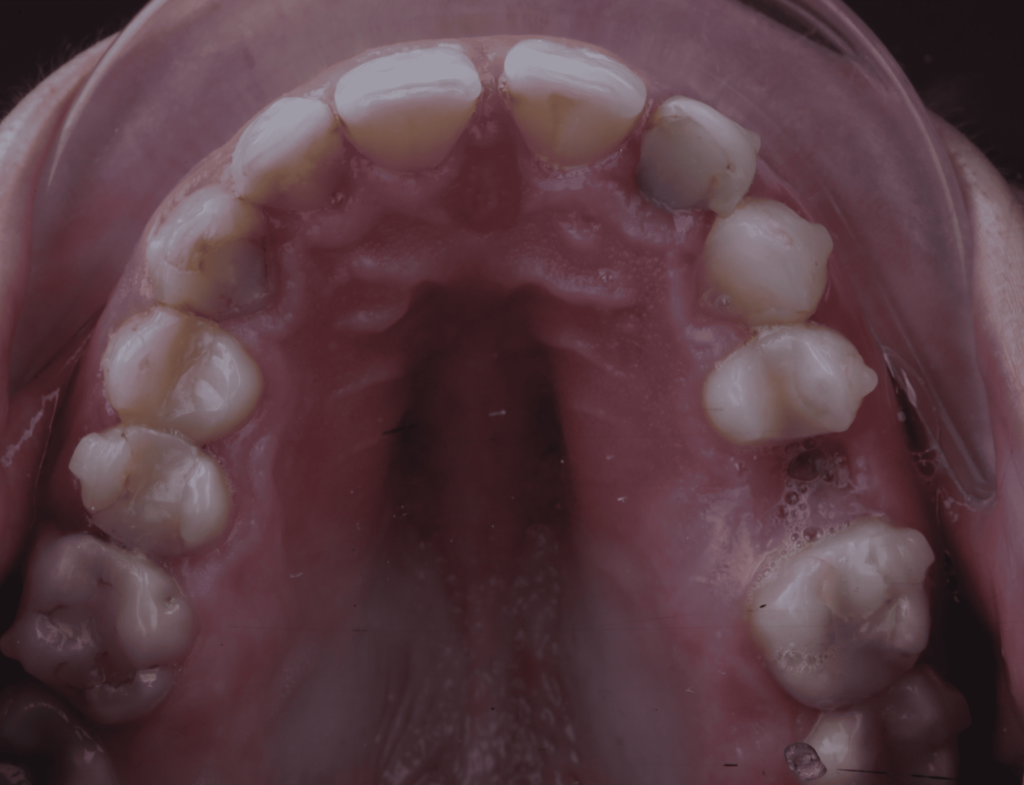
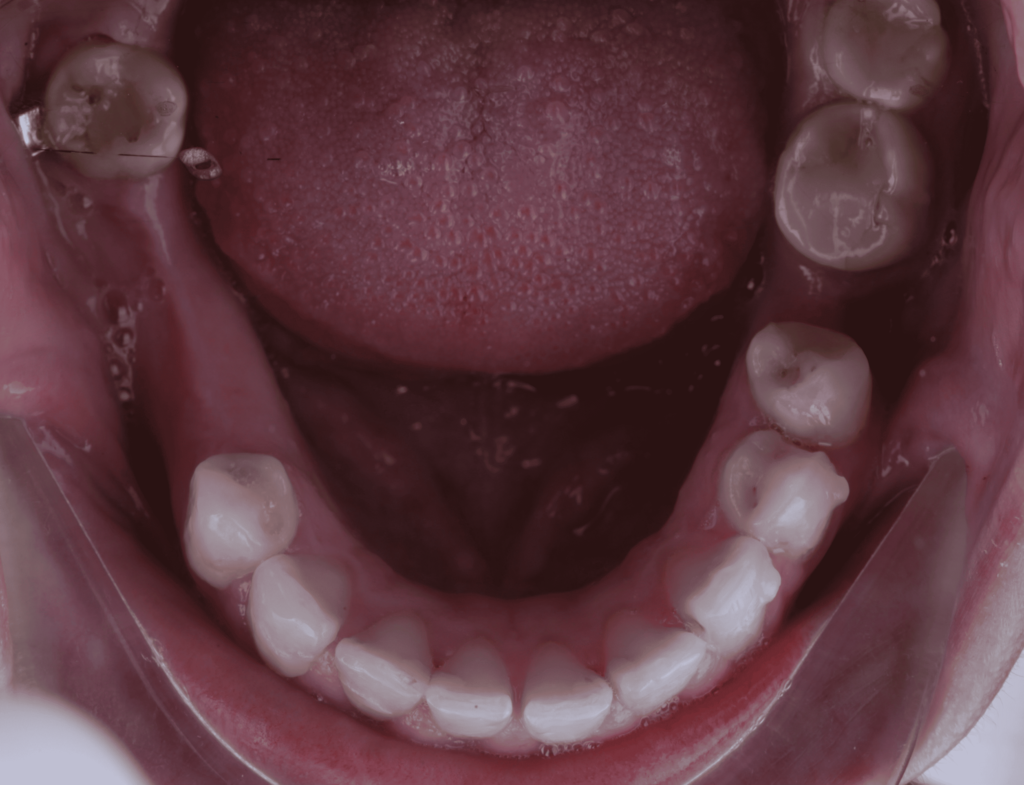
Implants 9/04/2024
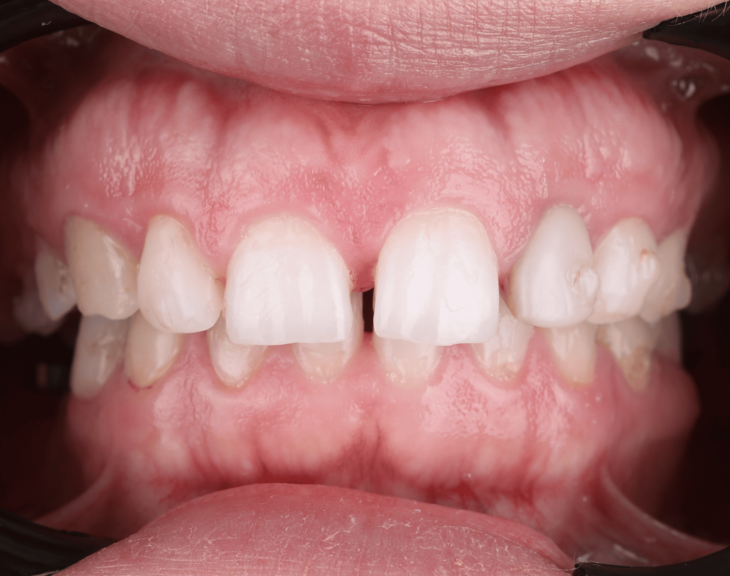
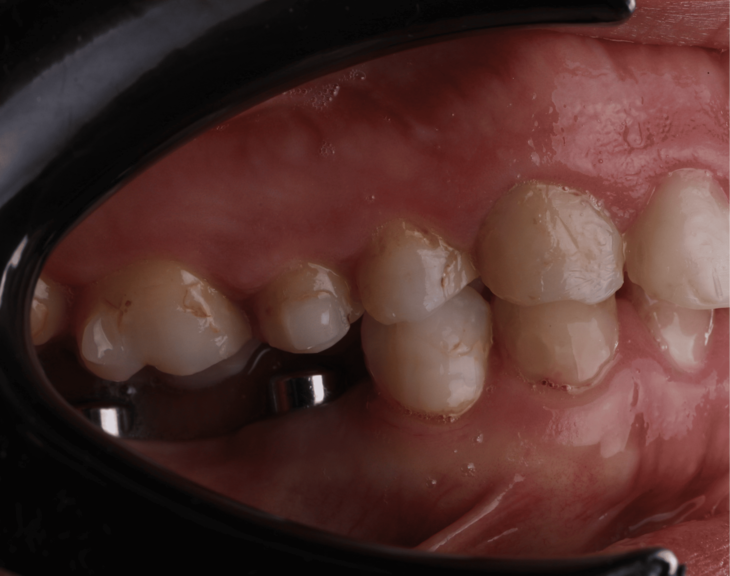
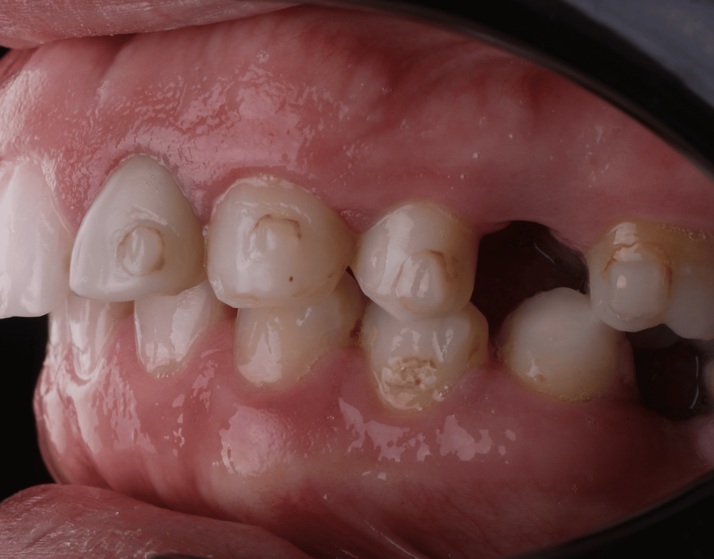
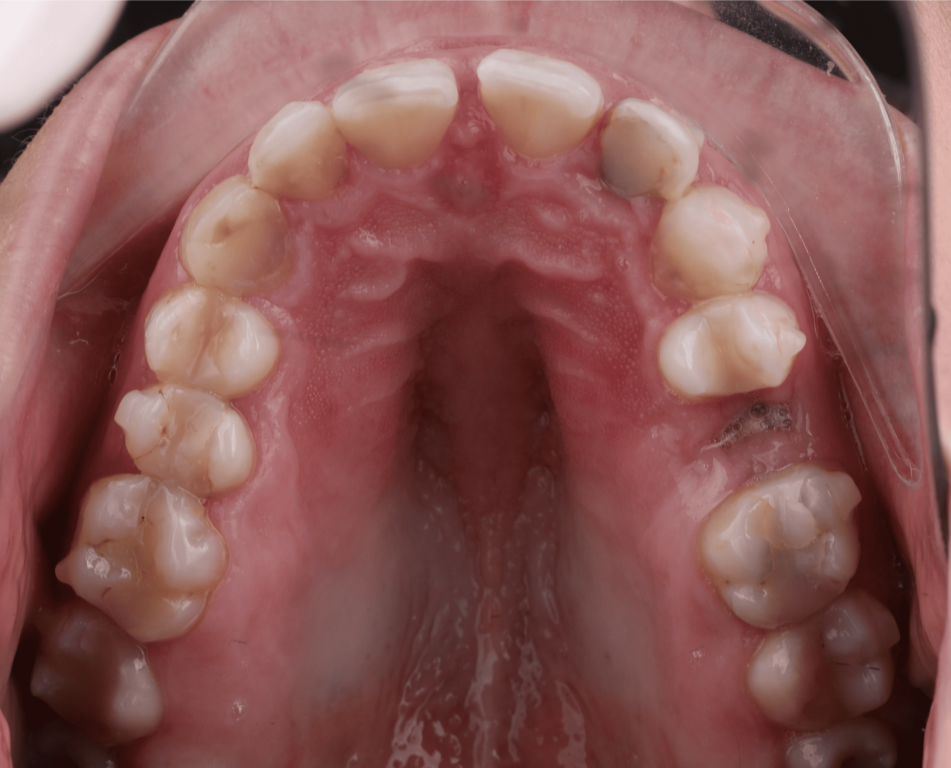
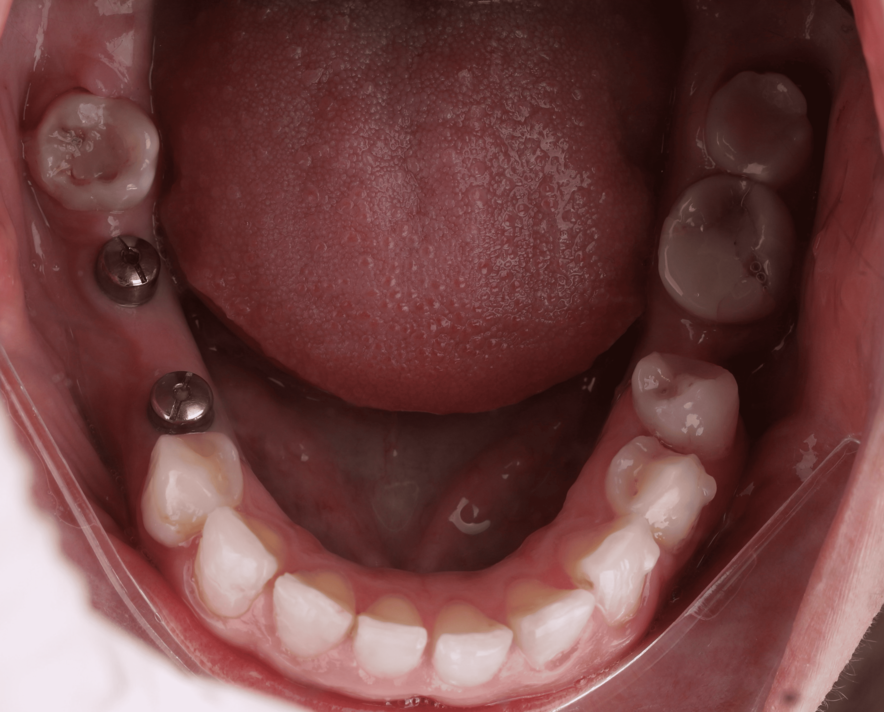
PHASE I Brackets 13/05/2024
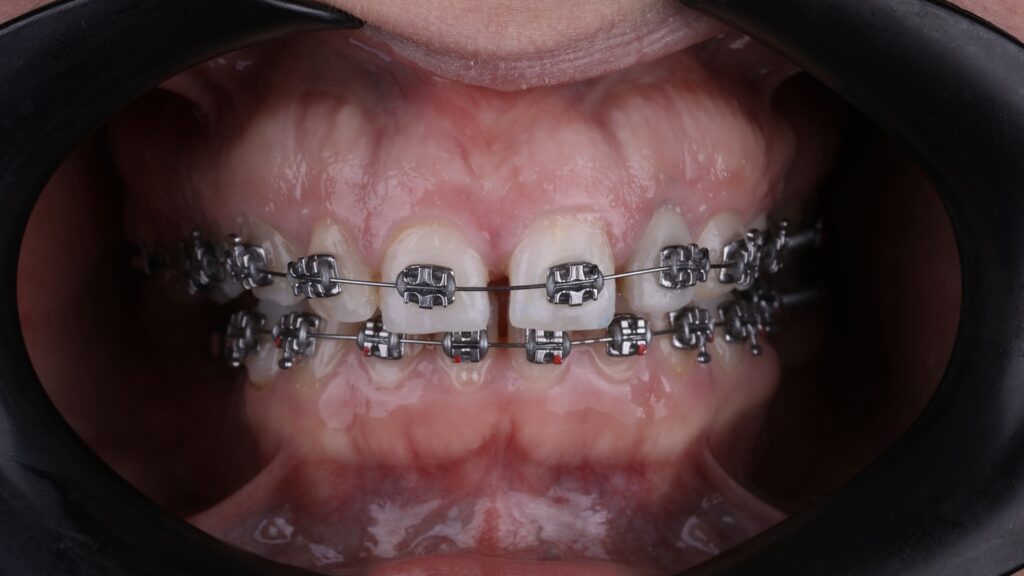
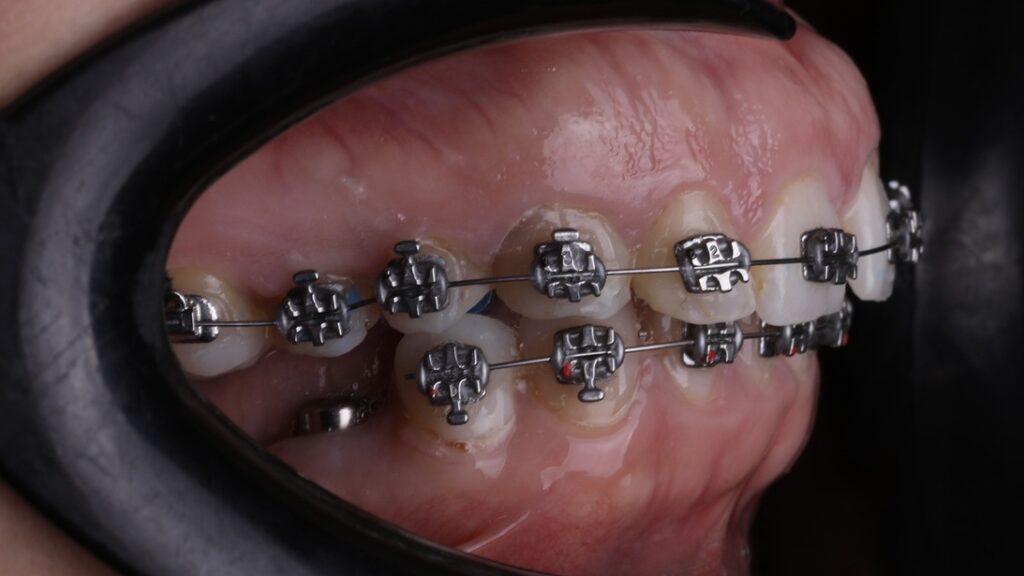
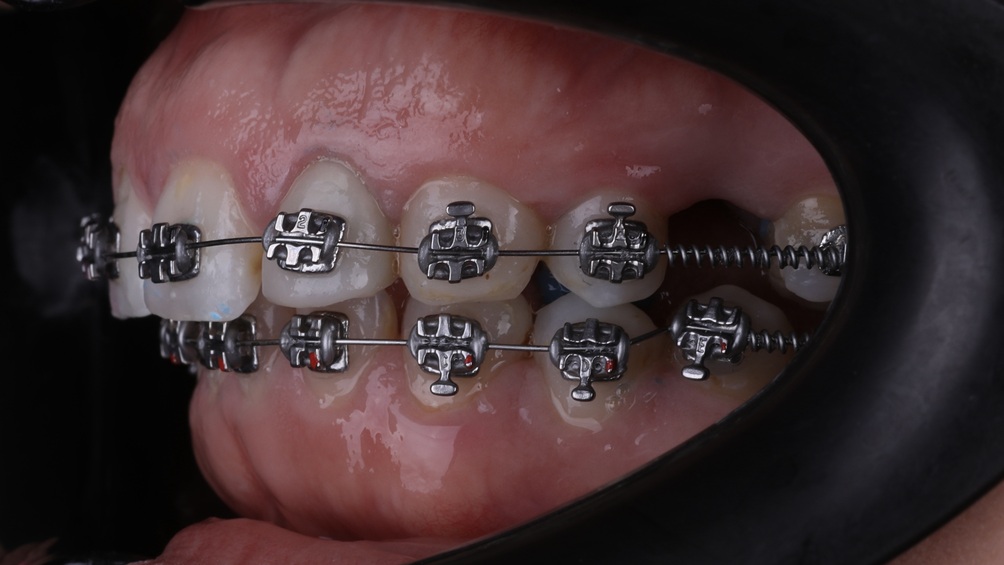
PHASE II Brackets 25/11/2024
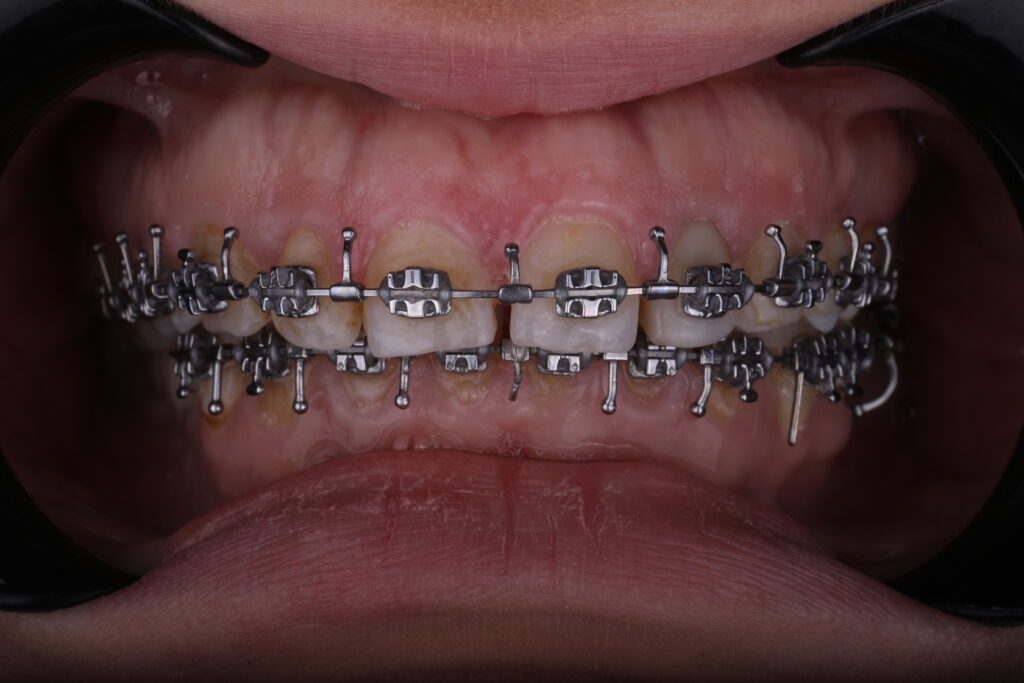
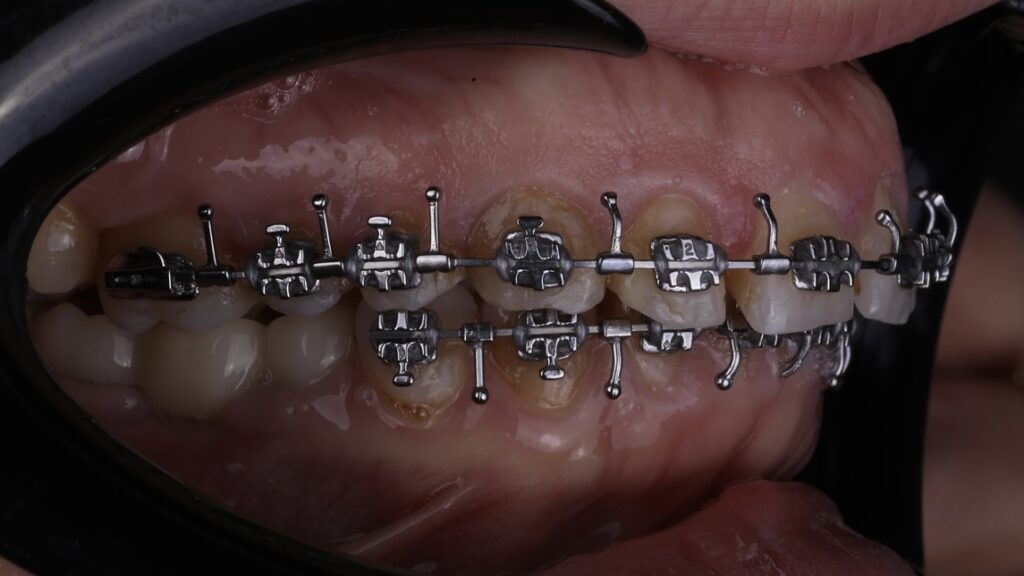
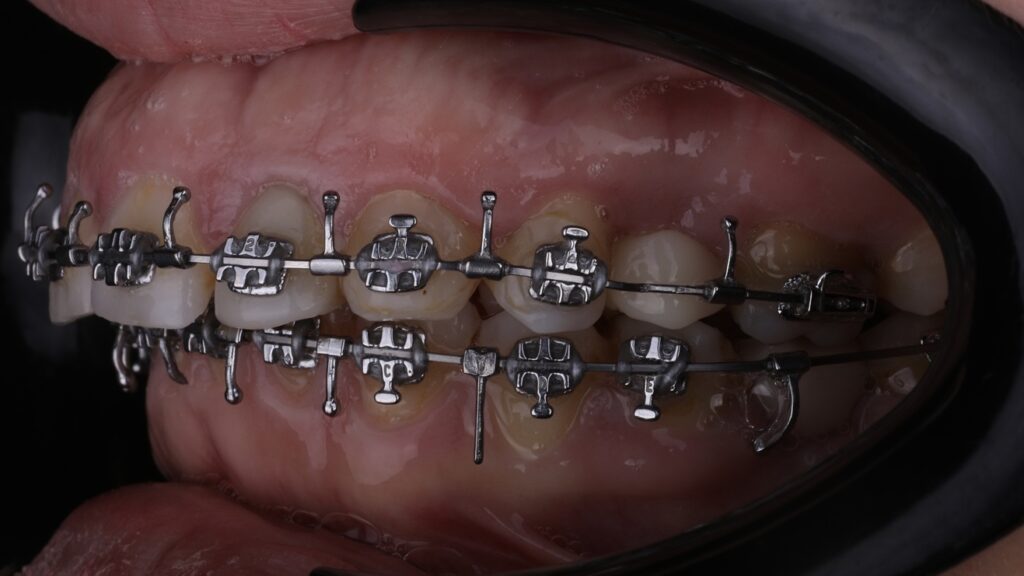
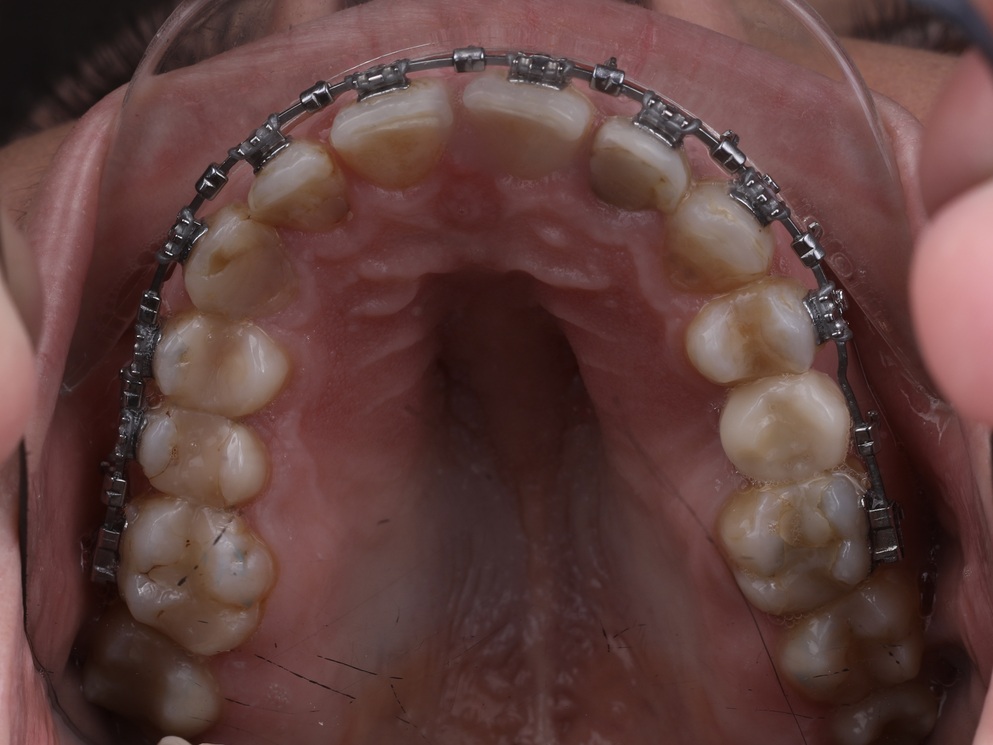
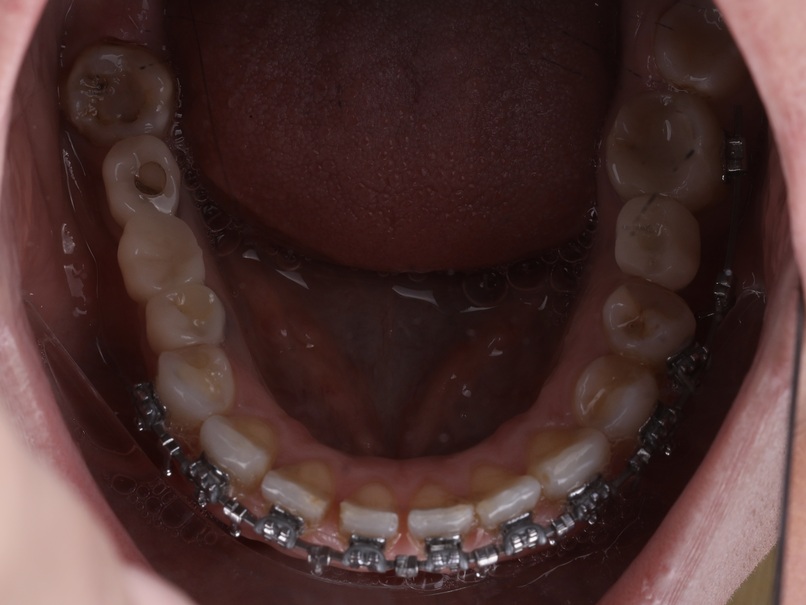
Braces+orthognathic surgery 12/18/2024
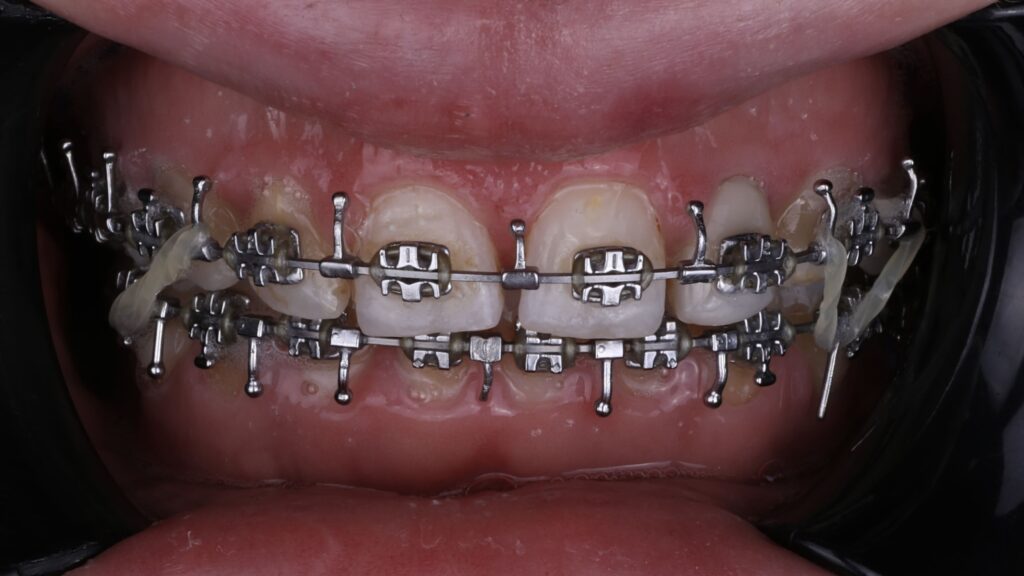
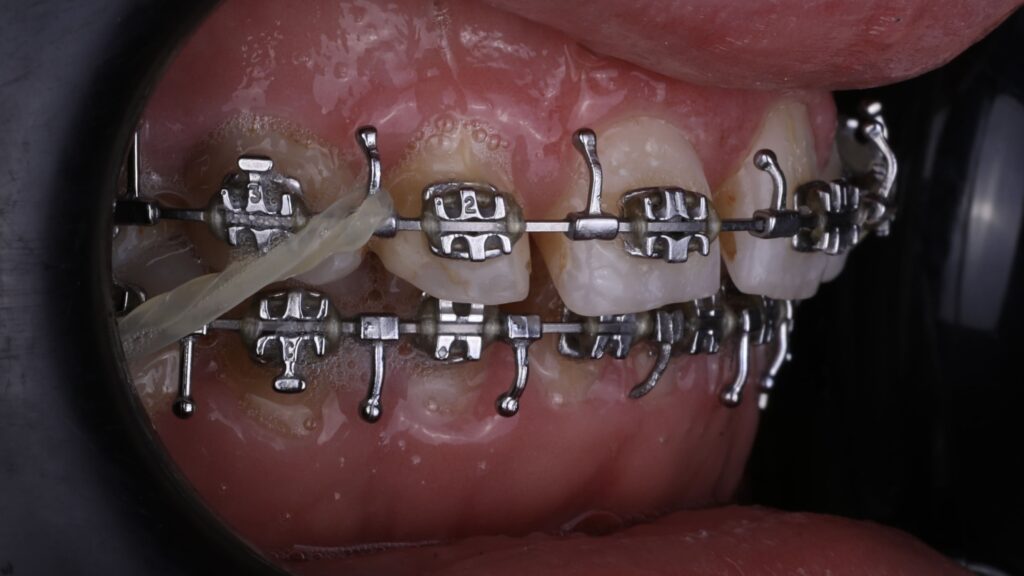
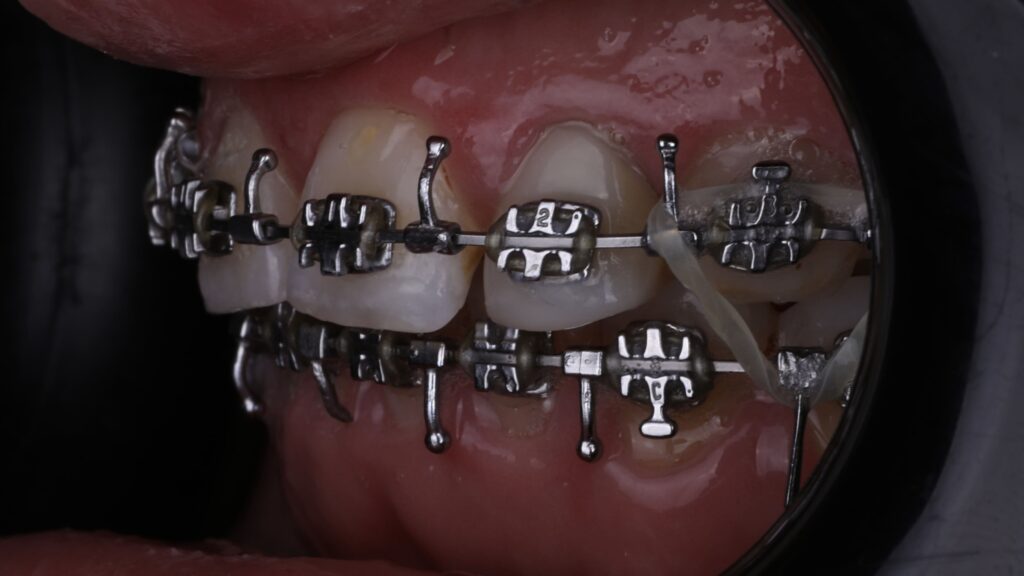
End of braces 25/02/2025
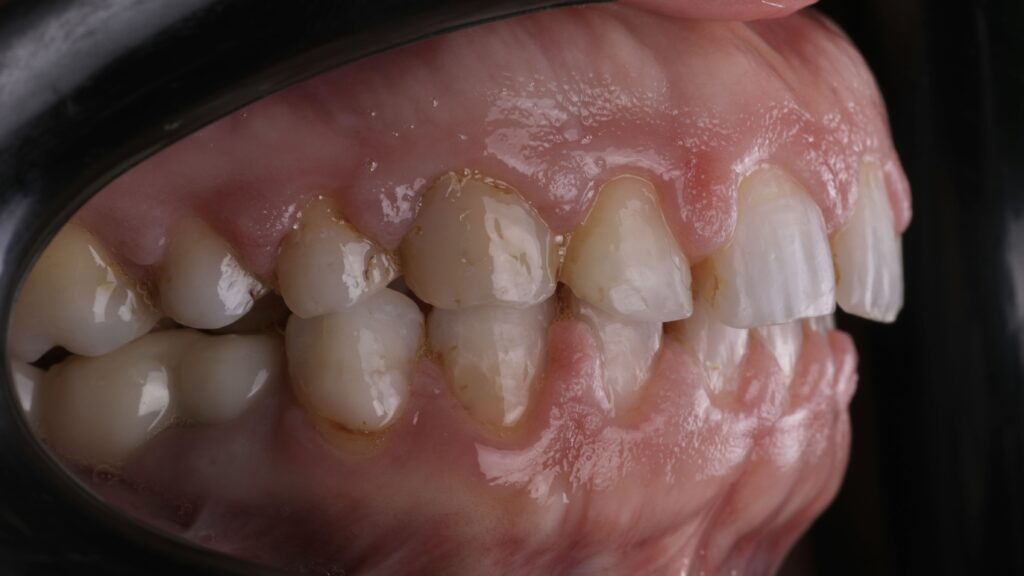
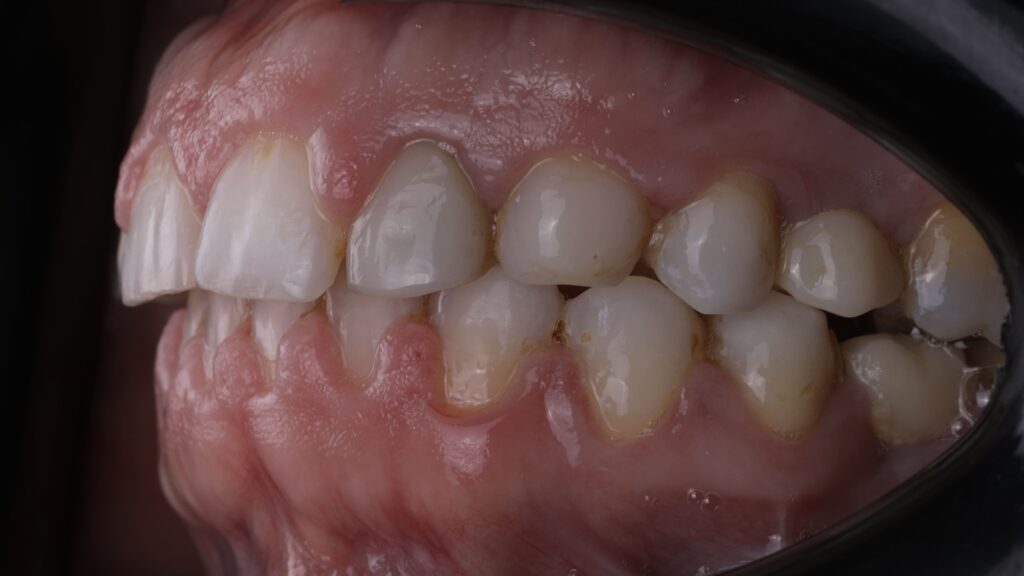
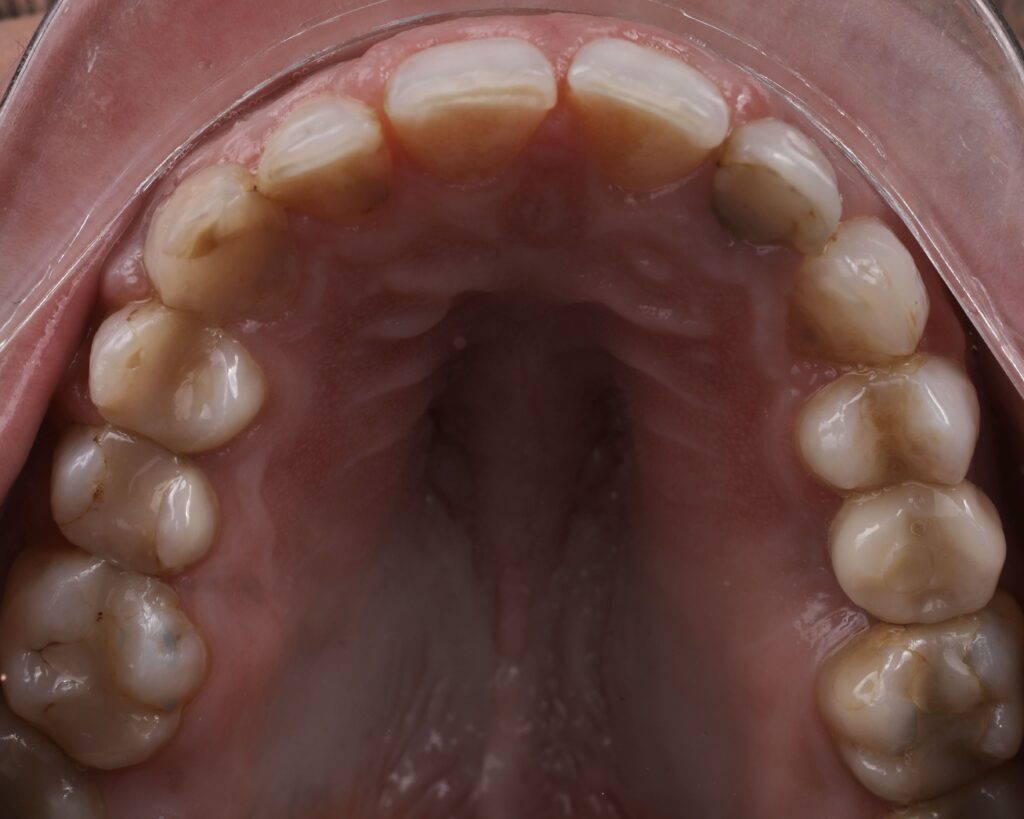
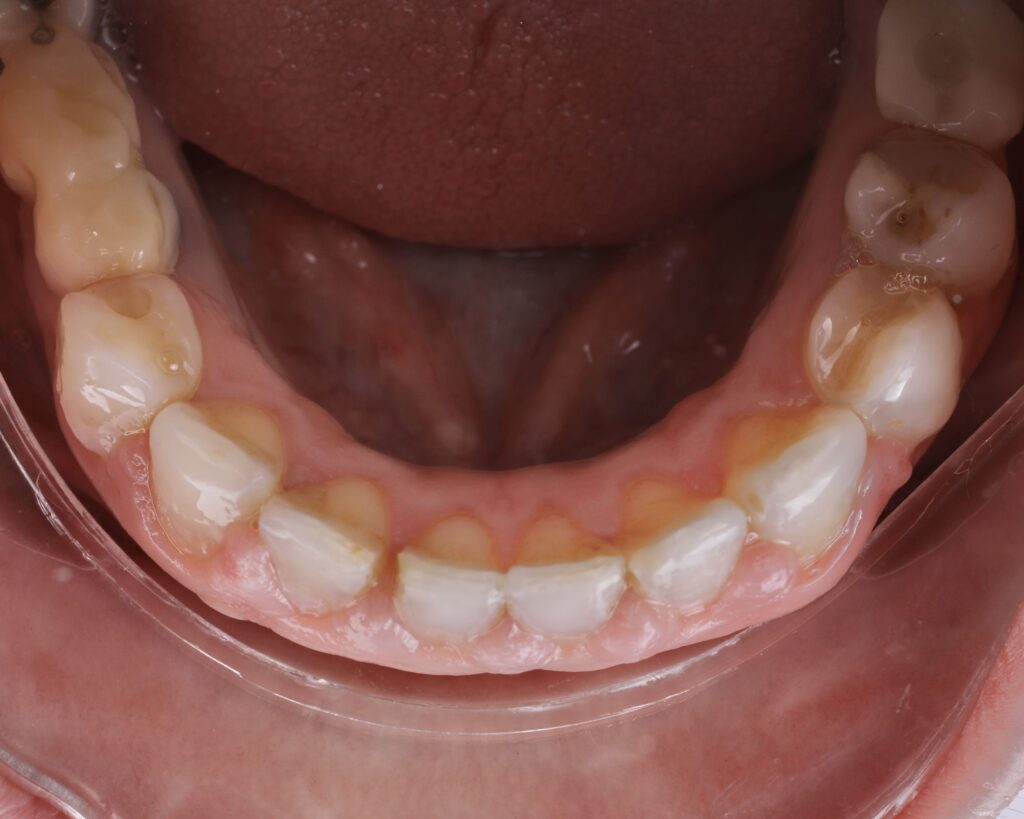
Gingivectomy 14/03/2025
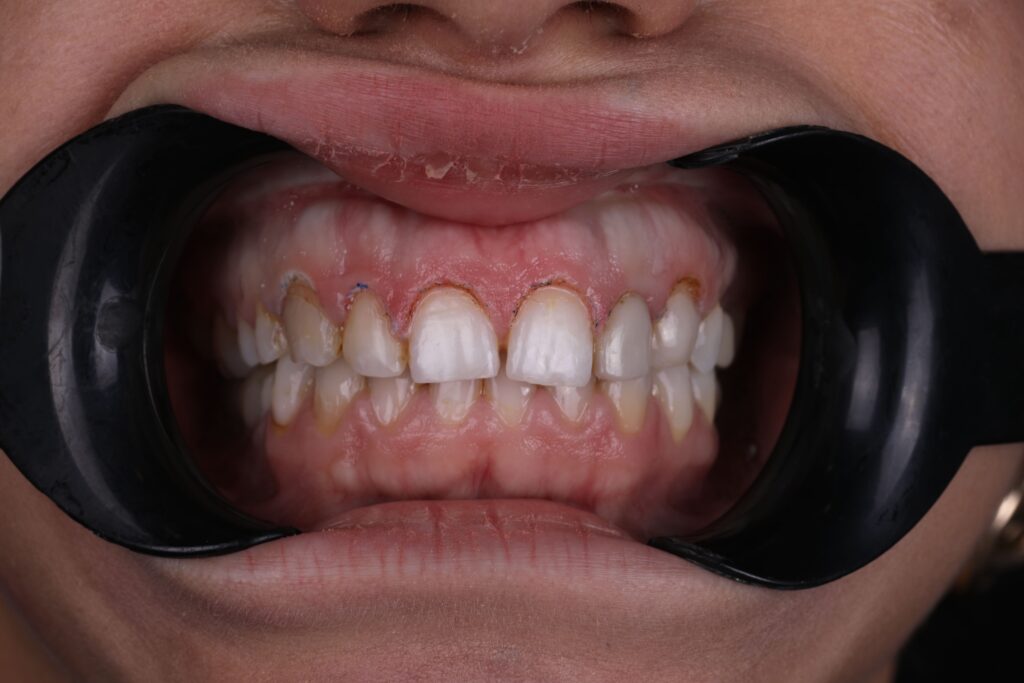
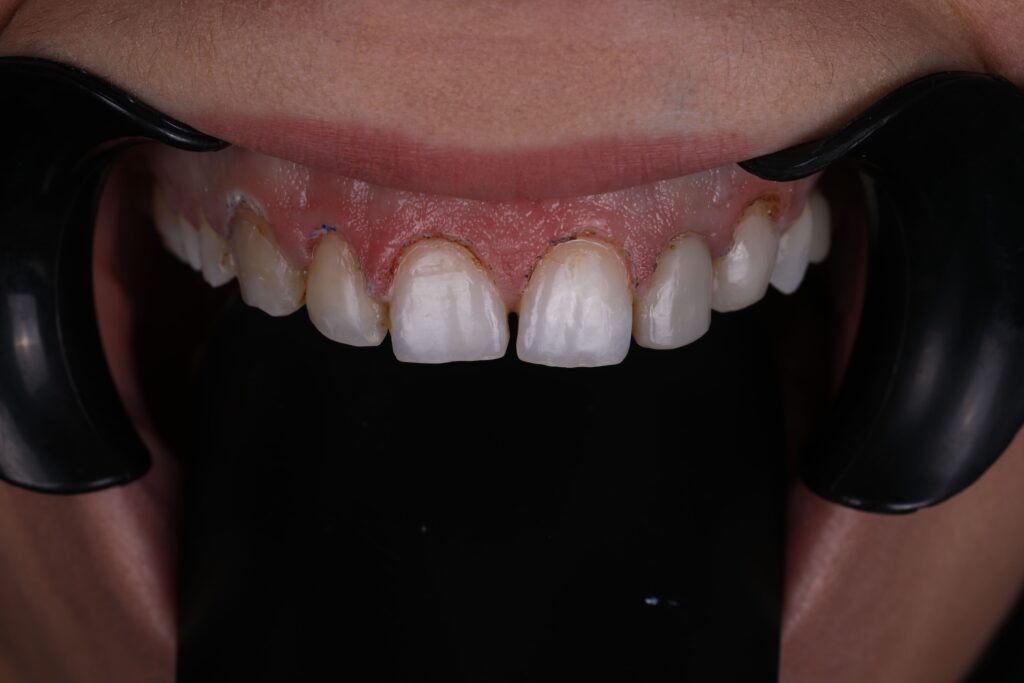
Final veneers 15/04/2025
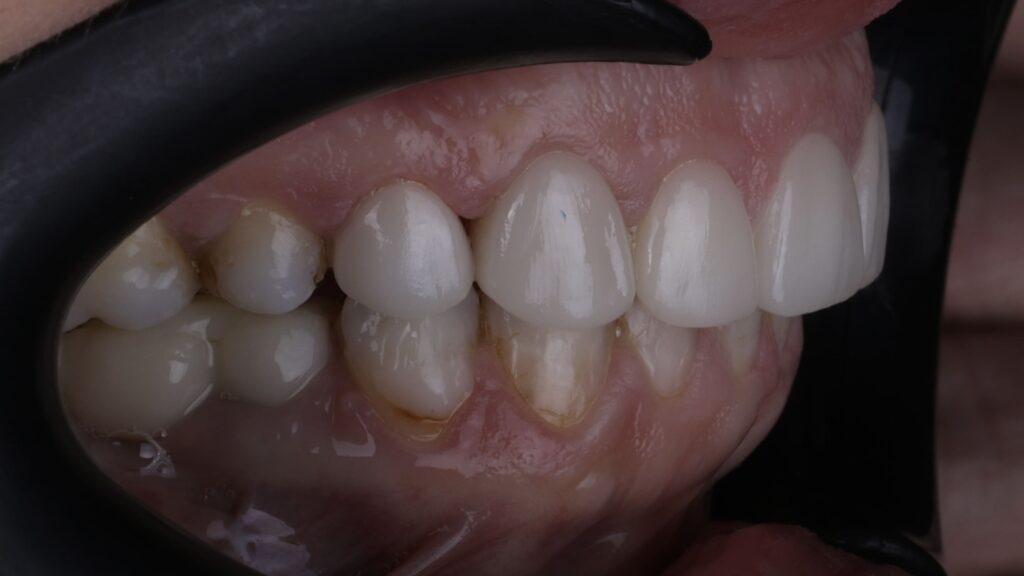
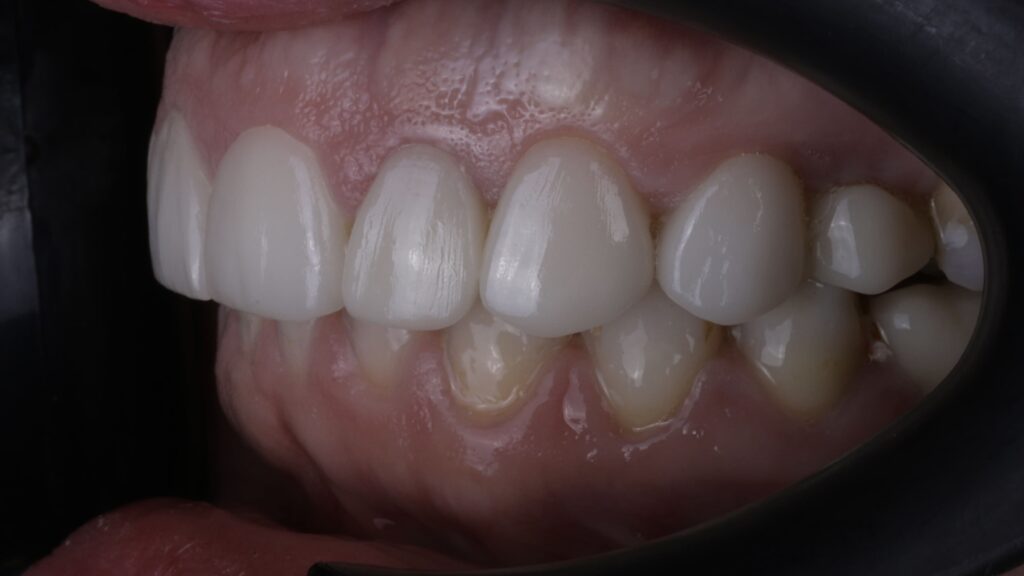
Before and After
In conclusion, this case is a clear example of how the integration of orthodontics, surgery, and cosmetic dentistry can transform smiles in a short amount of time. Interdisciplinary coordination and the patient's commitment were key to achieving success in just 11 months.