Orthodontics has advanced significantly in recent years, offering more effective and comfortable treatments than ever before. However, despite these innovations, many myths and misconceptions about braces and orthodontics still persist in the public's mind. These myths can often discourage people from seeking treatment or create unnecessary anxiety about the process. From concerns about pain to misunderstandings about age-specific suitability, it's time to set the record straight.
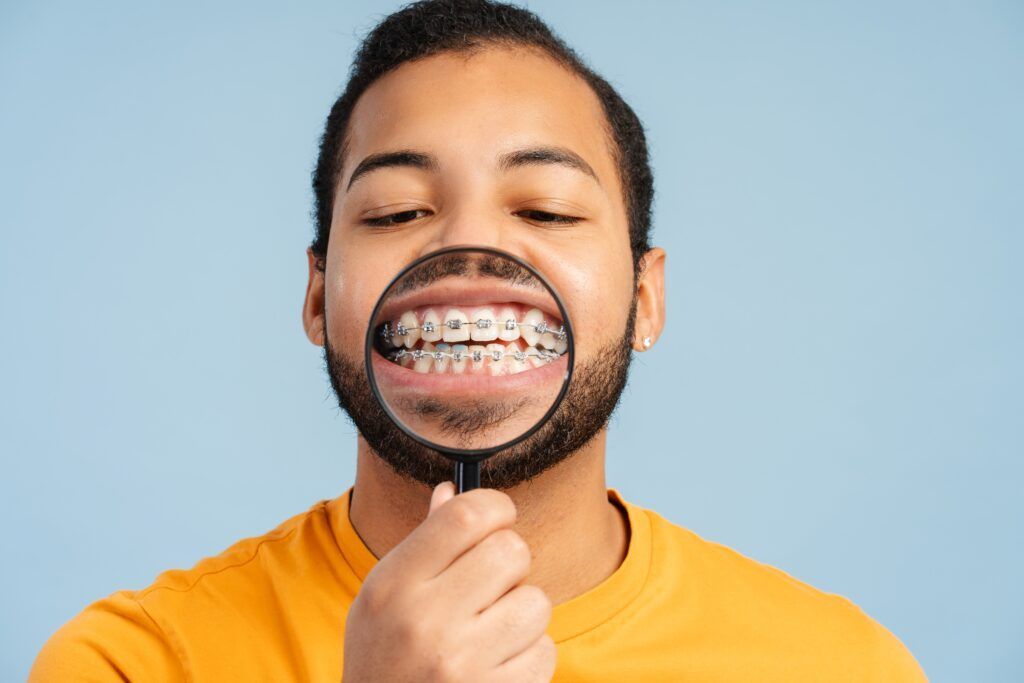
Myth 1: Braces Are Extremely Painful
One of the most common myths about braces is that they cause significant pain throughout the treatment. While it's true that there may be some discomfort at certain stages, such as after adjustments or when braces are first placed, this discomfort is usually mild and temporary. Most patients describe the sensation as more pressure than pain. Over-the-counter pain relievers are usually sufficient to relieve any discomfort.
In fact, modern orthodontic technology has made braces more comfortable than ever. Advances in materials, such as heat-activated wires, help minimize discomfort by adjusting more gradually to changes in tooth alignment.
For example, braces Synergy They are known for incorporating advanced materials and technologies, such as self-ligating braces. These braces reduce the need for traditional elastic bands, allowing for a more comfortable and efficient treatment process.
The self-ligating system of Synergy braces means the wire is held in place with a small clip instead of elastic ties. This reduces friction and allows for smoother, less painful tooth movement.
In a study titled Assessment of Pain and Discomfort Associated with Orthodontic Adjustments (Mohanty et al., 2024), it was found that the level of discomfort associated with orthodontic treatments tends to peak in the first few days after an adjustment and then rapidly declines. Therefore, although there may be some temporary discomfort, it is not as severe as many people fear.
Myth 2: Orthodontics is only for teenagers
Another widespread myth is that orthodontic treatment is only suitable for children or adolescents. While it's true that most orthodontic patients are young, more and more adults are seeking orthodontic treatment. In fact, studies show that approximately 25% of orthodontic patients are over 18 years old.
Jawbones may become less flexible with age, but that doesn't mean orthodontic treatment is inaccessible to adults. Modern orthodontics employs more sophisticated techniques and appliances that can be effective for adults, including clear aligners, a popular option for those seeking more discreet treatment.
According to a study Adult orthodontics: motivations for treatment, choice and impact of braces (Ama Johal et al., 2024), orthodontic treatment in adults can be as successful as in younger patients. Factors such as the severity of the dental problem and the type of treatment chosen can influence treatment duration, but age in itself is not an obstacle.

Myth 3: Braces take forever to take effect
Many people assume that braces will require years of treatment before seeing noticeable results. While traditional braces could take longer in the past, today's technology allows for faster and more efficient treatment. In fact, treatment times can vary widely depending on the individual and the complexity of the case, but on average, they typically last between 18 and 24 months.
Clear aligners can further shorten treatment time, especially in mild to moderate cases. These aligners are custom-designed for your teeth and, because they're removable, offer greater comfort and flexibility, which can reduce treatment time.
A published study titled Comparative analysis of braces and aligners: Long-term orthodontic results (Aref S et al. 2024) found that treatment times with clear aligners were much shorter compared to traditional braces in cases with less complex treatment needs.
Myth 4: You can't get braces if you have crooked teeth
Some people avoid orthodontic treatment altogether because they believe their teeth are too crooked or misaligned to benefit from braces. This myth couldn't be further from the truth. Braces are specifically designed to correct a wide variety of dental problems, including crowded teeth, gaps between teeth, overbites, underbites, and crossbites. Whether your teeth are slightly misaligned or extremely crooked, there's almost always an orthodontic solution that's right for you.
Orthodontists use advanced diagnostic tools, such as 3D imaging and digital impressions, to create customized treatment plans tailored to each patient's specific needs, regardless of the severity of the misalignment. If you're unsure whether orthodontics is right for you, consult with an orthodontist to explore your options.
Myth 5: You Can't Eat Certain Foods with Braces
While there are some dietary restrictions when wearing traditional braces (such as sticky or hard foods that can damage the wires and brackets), this doesn't mean you can't enjoy a wide variety of foods. Many people fear they'll have to completely change their diet, but orthodontists often provide guidelines on what to avoid and suggest modifications to make eating easier. For example, you can still eat foods like pizza and sandwiches, but it's important to cut them into smaller pieces and avoid biting into hard or sticky foods like nuts, caramel, or popcorn.
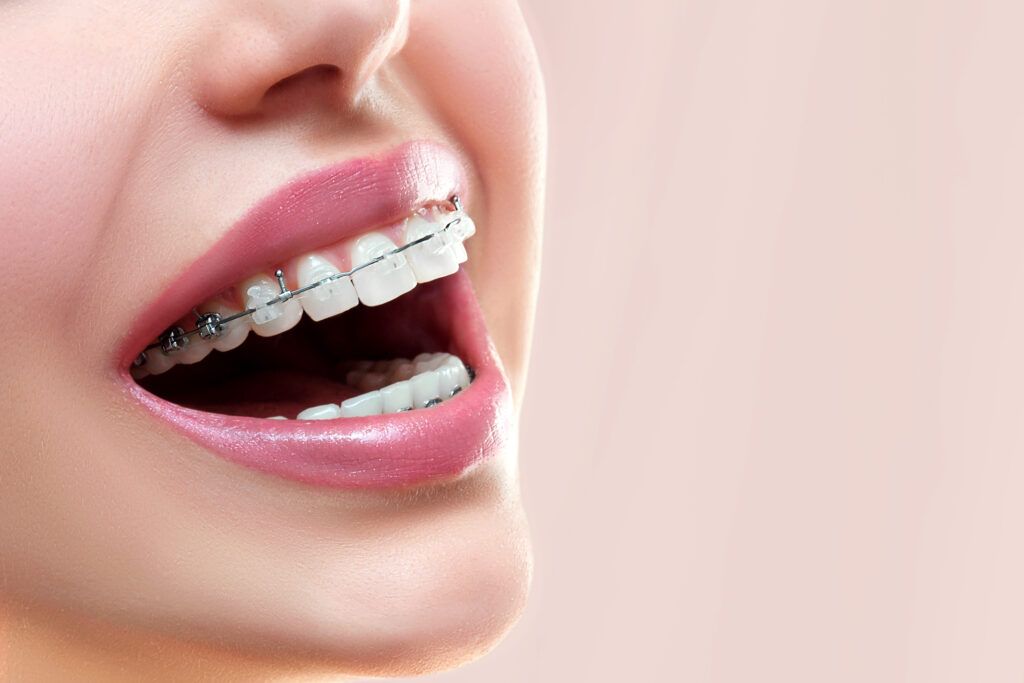
Myth 6: Retainers are not really necessary after braces
After braces are removed, most patients are given a retainer to help maintain their teeth's new alignment. Some people believe that wearing a retainer is optional or unnecessary once braces are removed. In reality, retainers are critical for keeping teeth in their new positions. Without retainers, teeth can gradually return to their original alignment, a process known as relapse. Wearing a retainer as directed by your orthodontist ensures long-lasting results.
Conclusion
There are many myths surrounding orthodontics that can cause confusion or unnecessary anxiety in people considering treatment. By debunking these misconceptions, we can better understand the benefits of orthodontics and the wide range of options available to address various dental problems.
Whether you're concerned about pain, treatment duration, or the cost of braces, knowing the facts will help you make an informed decision and take the first step toward a healthier, more confident smile.
If you ever have any doubts, consult an orthodontist for a professional evaluation and personalized recommendations to help you achieve the best possible results.
Follow the Koline Institute to stay up-to-date if you're interested in modern orthodontics.